
Navigating this complex landscape requires more than just good investment picks; it demands a structured framework for identifying, assessing, and mitigating the key risks that can threaten a comfortable retirement. This guide provides that framework, offering a clear path to protect what you've built.
Key Takeaways
- Focus shifts from aggressive growth to preserving wealth and generating income.
- Address key risks like market volatility, inflation, and sequence of returns.
- Use a structured process: assess risk tolerance, diversify assets, and monitor your plan.
- Partner with a financial planner to navigate complex tax, estate, and investment issues.
The Core Risks Facing Large Retirement Portfolios
Effective risk management begins with a clear understanding of the specific threats you face. For retirees with substantial portfolios, these four risks demand the most attention.
Market and Sequence of Returns Risk
Market risk is the straightforward danger that your investments will lose value due to broad economic factors. But for retirees, it has a dangerous partner: sequence of returns risk. This is the risk of experiencing poor returns in the early years of retirement when you are actively withdrawing funds.
The timing of market downturns matters immensely once you start taking distributions.
Consider a hypothetical $1 million portfolio with a $45,000 annual withdrawal (adjusted for inflation). If a 15% market loss occurs in the first year of retirement, the portfolio could be depleted in 25 years.
However, if that same 15% loss happens four years later, the portfolio could sustain income for up to 40 years. Poor early returns, combined with withdrawals, create a drag that is incredibly difficult to overcome.

Inflation and Longevity Risk
While market crashes are dramatic, inflation is a silent portfolio killer. Inflation risk is the erosion of your purchasing power over time. Even a modest 3% annual inflation rate can cut the value of your money in half in about 24 years. A large portfolio that isn't structured to outpace inflation is effectively shrinking every year.
Compounding this is longevity risk—the very real possibility of outliving your assets. Planning for a 30-year retirement is no longer an exaggeration.
According to the Social Security Administration, men and women in the highest income quartiles have significantly longer life expectancies than the general population. A longer, healthier life is a wonderful outcome, but it requires a financial plan robust enough to fund it.
Concentration and Liquidity Risk
Many successful individuals accumulate wealth in a non-diversified way. Concentration risk is particularly relevant for executives or business owners with a large portion of their net worth tied up in a single company's stock or a single real estate asset. While this concentration may have created the wealth, it poses a significant threat in retirement.
Closely related is liquidity risk, or the inability to convert an asset into cash quickly without taking a major loss. If your portfolio is dominated by illiquid assets like private equity or commercial real estate, a sudden need for cash (for a healthcare emergency, for example) could force you to sell growth assets at the worst possible time.
A Step-by-Step Process for Managing Portfolio Risk
A disciplined, repeatable process is the key to turning abstract risks into a concrete action plan. This four-step framework helps build a resilient retirement strategy.
Step 1: Conduct a Deep Risk Tolerance and Capacity Assessment
The first step is understanding your personal relationship with risk. This involves two distinct concepts:
- Risk Tolerance: Your emotional comfort with market volatility. Can you sleep at night during a 20% market downturn?
- Risk Capacity: Your financial ability to withstand losses without jeopardizing your essential retirement goals.
A thorough assessment goes beyond a simple questionnaire. It should document your retirement income needs, separate fixed from discretionary expenses, consider health projections, and clarify your legacy goals. This forms the foundation of your entire risk management strategy.
Step 2: Engineer Your Strategic Asset Allocation
Based on your risk assessment, you can design a diversified portfolio. Strategic asset allocation involves spreading your investments across various asset classes—like stocks, bonds, cash, and alternatives—to balance risk and return.
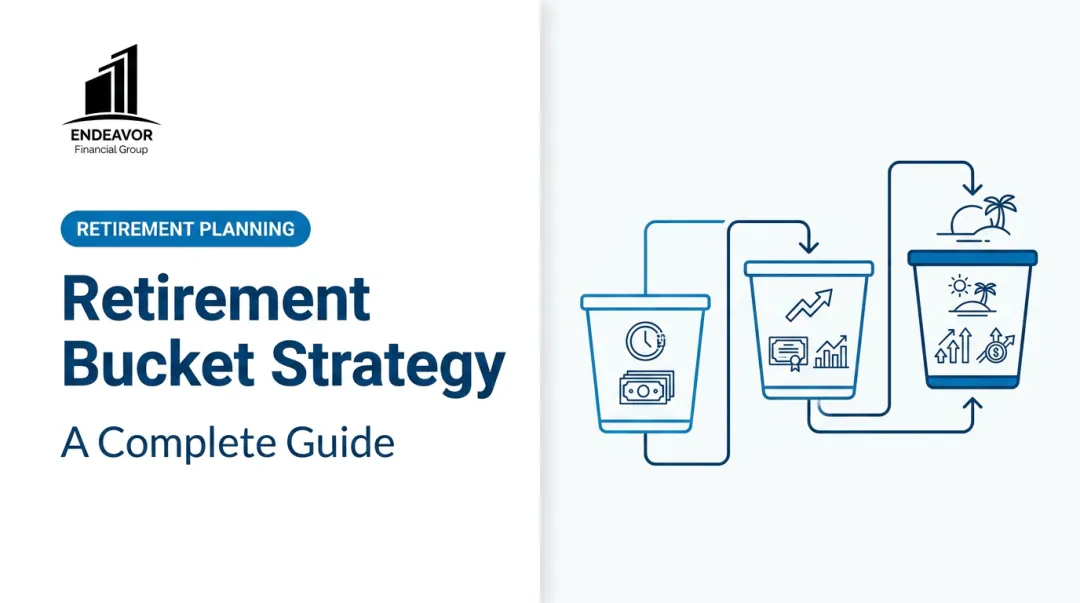
A popular method for retirees is the "bucket strategy." This involves segmenting your portfolio to align with different time horizons:
- Bucket 1 (Short-Term): Holds 1-3 years of living expenses in highly liquid, stable assets like cash and short-term bonds. This is your buffer to avoid selling other assets during a downturn.
- Bucket 2 (Mid-Term): Covers expenses for the next 4-10 years with a balanced mix of stocks and bonds.
- Bucket 3 (Long-Term): Contains assets not needed for 10+ years, focusing on growth-oriented equities to outpace inflation.

Step 3: Implement and Stress-Test Your Plan
With your allocation defined, the next step is implementation—selecting specific investments like ETFs, mutual funds, or individual securities that align with your strategy.
But a plan isn't complete until it's tested. Stress-testing involves simulating how your proposed portfolio would have performed during historical downturns, such as the 2008 financial crisis or the 2020 COVID crash.
This exercise helps you understand potential drawdowns, sets realistic expectations, and allows you to make adjustments before a real crisis hits.
Step 4: Establish a Monitoring and Rebalancing Cadence
Your financial plan is a living document, not a one-time event. Establish a clear schedule for reviews, such as quarterly check-ins and an annual deep dive. The core of this process is rebalancing.
Rebalancing means systematically selling assets that have performed well and buying those that have underperformed to bring your portfolio back to its original target allocation. This enforces a "buy low, sell high" discipline. Common methods include:
- Time-Based: Rebalancing on a set schedule, like annually or semi-annually.
- Threshold-Based: Rebalancing only when an asset class drifts from its target by a predetermined percentage (e.g., 5%).
Advanced Risk Mitigation Strategies for Affluent Retirees
While diversification is the foundation, large portfolios can benefit from more sophisticated tools to optimize returns and protect wealth.
Tax-Efficient Withdrawal and Location Strategies
Managing taxes is a critical component of risk management. Two key strategies here are asset location and withdrawal sequencing.
- Asset Location: Place tax-inefficient assets like corporate bonds in tax-deferred accounts (e.g., a Traditional IRA) and tax-efficient assets like growth stocks in taxable accounts to boost after-tax returns.
- Withdrawal Sequencing: Maximize tax efficiency by withdrawing funds in a specific order: first from taxable accounts, then tax-deferred accounts, and finally from tax-free Roth accounts.
Hedging and Income-Generating Instruments
For a portion of your portfolio, you can use specific instruments to guarantee income or protect against downside risk.
- Annuities: Use certain annuities, like a Qualified Longevity Annuity Contract (QLAC), to create a guaranteed, pension-like income stream. This reduces withdrawal pressure on your main investment portfolio.
- Buffered ETFs or Structured Notes: These complex instruments offer participation in market gains up to a cap while buffering against a set amount of loss. They are useful for specific goals but require professional guidance.
Integrating with Estate and Legacy Planning
For large portfolios, risk management must extend beyond your lifetime. Estate planning is crucial for mitigating estate taxes and ensuring a smooth transfer of wealth. Strategies like establishing an Irrevocable Life Insurance Trust (ILIT) can hold life insurance proceeds outside of your taxable estate, preserving more of your legacy.
This level of planning requires close coordination between your financial advisor and an estate planning attorney.
Common (and Costly) Mistakes in Retirement Risk Management
Decades of market cycles have revealed common pitfalls that can derail even the most carefully laid plans. Understanding and avoiding them is crucial for long-term success.
- Becoming too conservative too soon. Fleeing to the perceived safety of cash and bonds early in retirement can feel safe, but it exposes your portfolio to inflation and the risk of outliving your savings.
- Making decisions based on emotion. Panic-selling during a downturn and buying back in at market tops is a destructive cycle. A disciplined, long-term plan—and sticking to your rebalancing strategy—is your best defense against fear and greed.
- Underestimating healthcare and long-term care costs. These are among the largest and most unpredictable expenses you'll face. For example, a healthy 65-year-old couple retiring in 2024 may need an estimated $395,000 for lifetime healthcare costs, and ignoring this liability puts your entire plan at risk.

When to Partner with a Financial Professional
While it's possible to manage your own portfolio, the complexity and high stakes associated with a large retirement fund often warrant professional guidance.
A qualified advisor provides a crucial objective perspective during volatile markets, acting as a behavioral coach to help you avoid emotional mistakes. A comprehensive financial planner does more than just manage investments.
At firms like Endeavor Financial Group, the process is holistic. We integrate tax planning, estate considerations, and income strategies into a single, cohesive plan. This is critical for large, multi-faceted portfolios where these elements are deeply interconnected.
As fiduciaries, our advice is legally bound to your best interest, free from the conflicts of interest tied to commissions or product sales.
It's time to seek help when:
- The size and complexity of your portfolio become overwhelming.
- You're facing a major life transition, like selling a business or retiring.
- You need to coordinate complex executive compensation, such as stock options and RSUs.
- The interplay between investments, taxes, and estate law becomes too complex to navigate alone.
Frequently Asked Questions
What are the biggest risks to a large retirement portfolio?
The primary threats are market risk (especially sequence of returns risk early in retirement), inflation risk eroding purchasing power, and longevity risk (outliving your assets).
How do you protect a large portfolio from a market crash?
Protection comes from proper asset allocation, holding a cash buffer (1-3 years of expenses) to avoid selling during a downturn, and disciplined rebalancing—not from trying to time the market.
What is sequence of returns risk and how do I manage it?
It’s the danger of poor returns early in retirement when you’re taking withdrawals. It’s managed by holding a cash/bond buffer for near-term expenses and maintaining a flexible withdrawal strategy.
How much cash should a retiree with a large portfolio hold?
Holding 1-3 years' worth of living expenses in cash or cash equivalents is a common strategy. This buffer prevents the forced sale of growth assets during a market downturn to cover expenses.
What is a safe withdrawal rate for a large retirement portfolio?
The 4% rule is a common guideline, but a dynamic rate (3-5%) that adjusts for market performance and spending is often more prudent for ensuring your portfolio lasts a lifetime.
When should I hire a financial advisor to manage my retirement portfolio?
Consider an advisor when your finances become complex (e.g., multiple accounts, a business, or estate planning). They can provide an objective, holistic strategy to coordinate all aspects of your financial life.